Translate

Blog of Strategic,General and Financial Management (English/Spanish)


Strategycorner is now expanding its content to include posts about General Management, Financial Management, Finance Transformation, Marketing and HR Management. Posts will be published in English or Spanish.


At the end of the blog there are different charts about Strategic Management in Spanish. In the archive area you could find a lot of posts about strategy and its execution in English/Spanish.

Jesús Peral
Executive MBA IE Business School, Madrid,Spain


Master in Strategic Management
IDE-CESEM Business School, Madrid, Spain


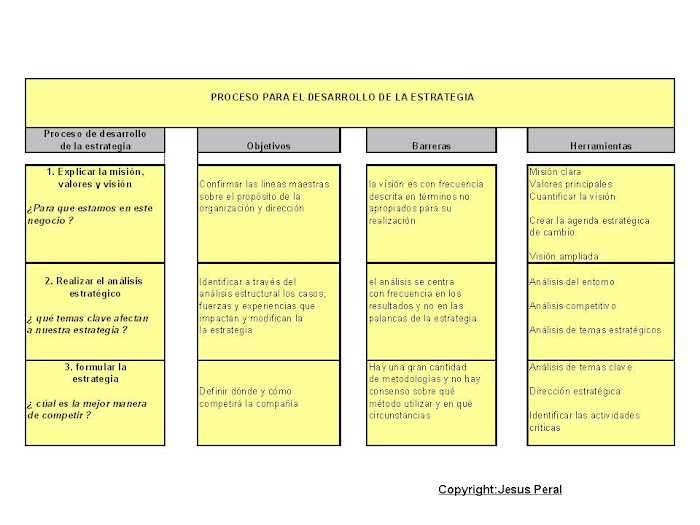
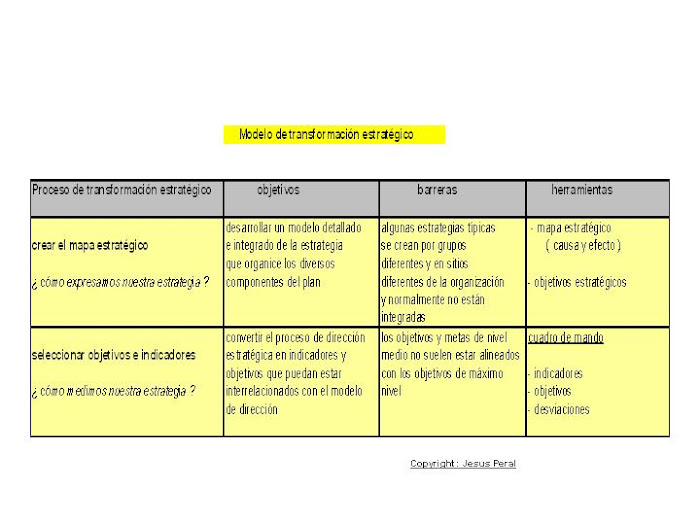
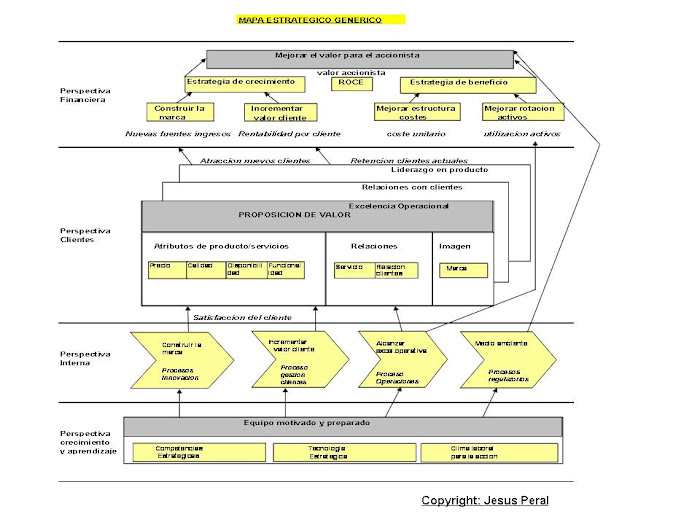
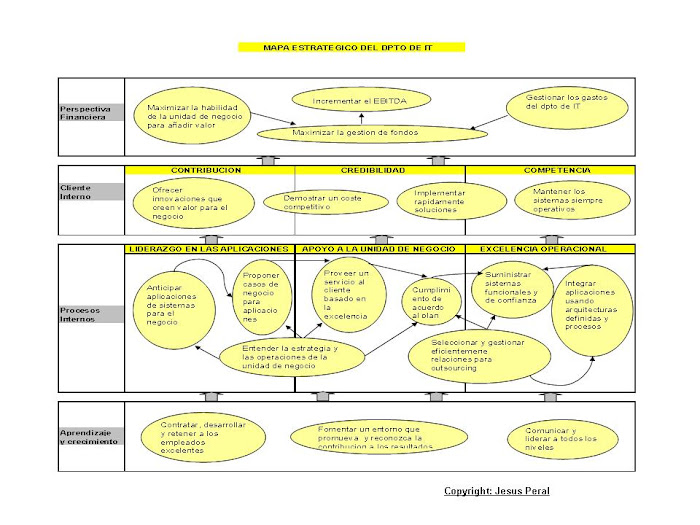
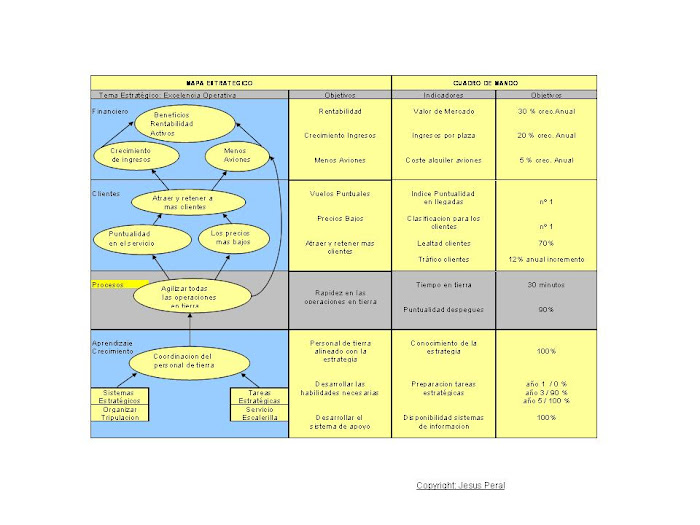
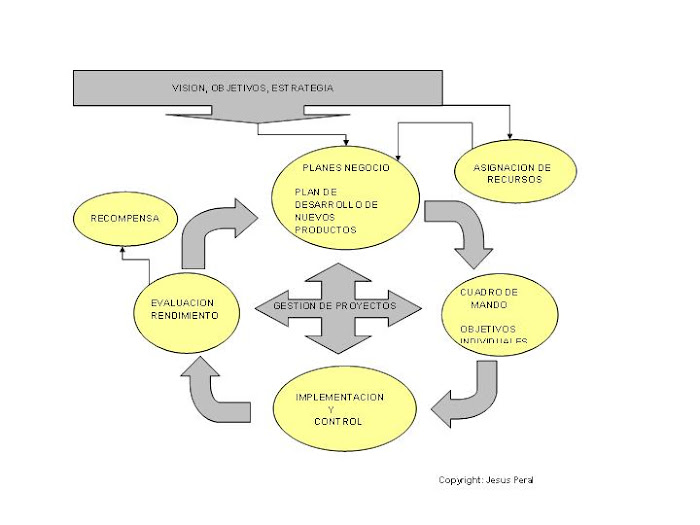
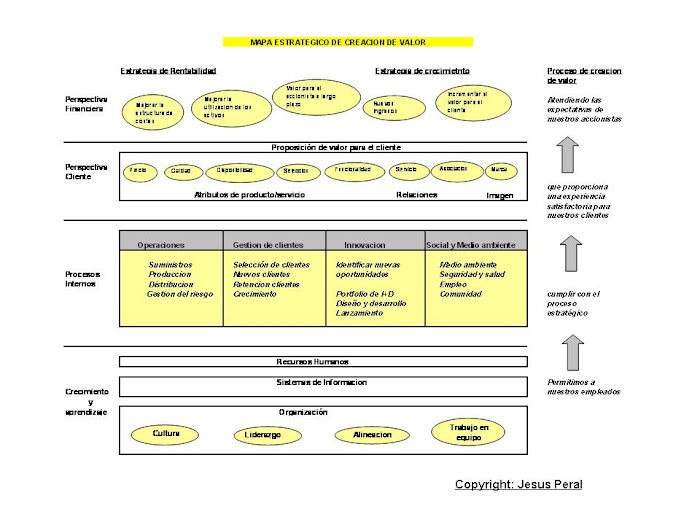
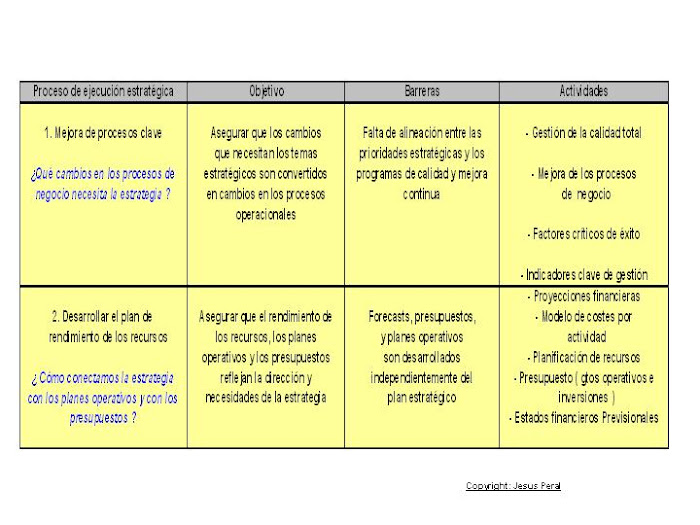
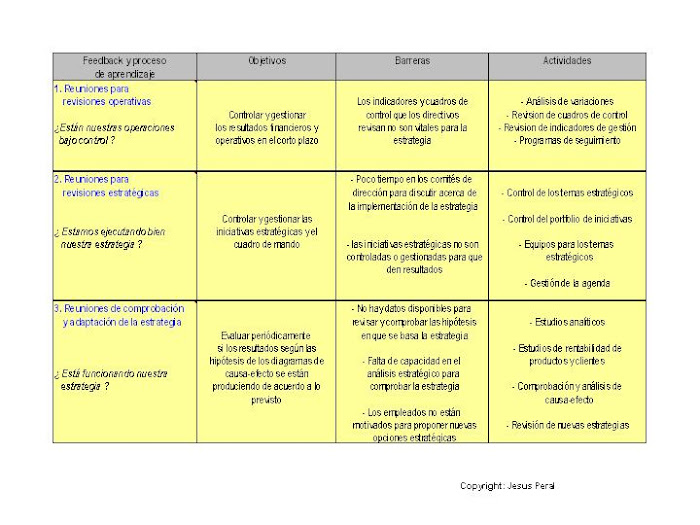
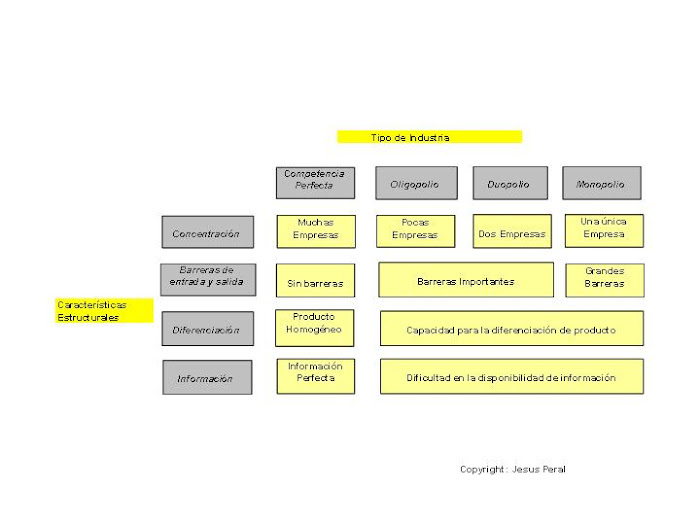
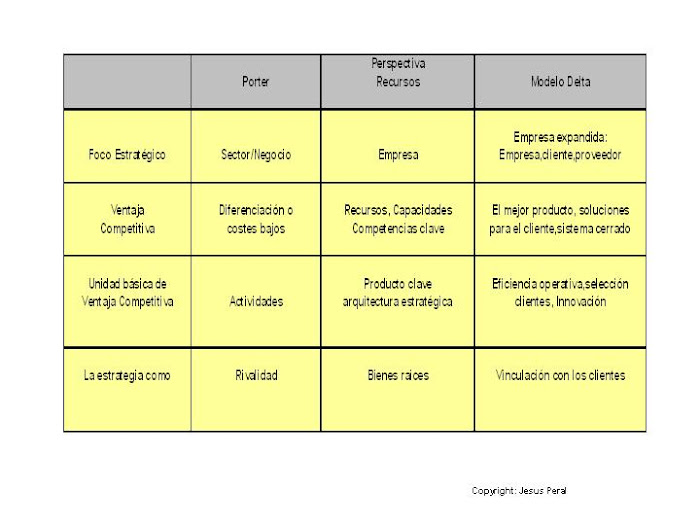
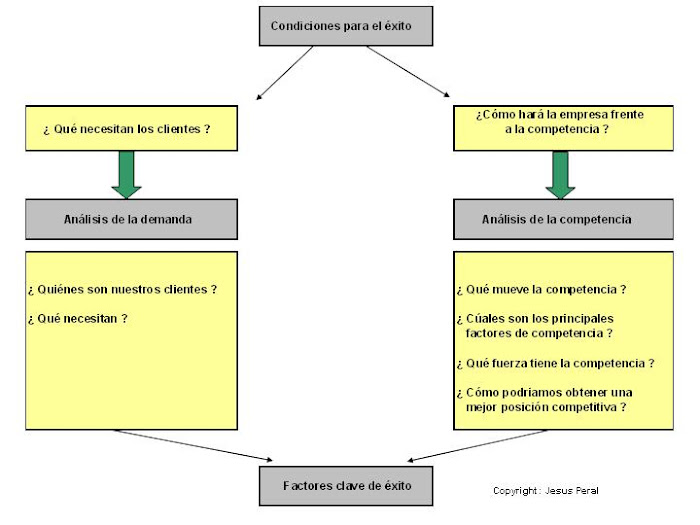
Find at the end of blog all charts related to Strategic Management topics commented in the posts


Mapa Estratégico Genérico/Strategy Map

Mapa Estratégico Genérico/Strategy Map
Mapa Estratégico Completo

Modelo de Dirección Estratégica/Strategic Management Model

Modelo de Dirección Estratégica/Strategic Management Model
Modelo desarrollado en las entradas 1 a 100. Ver archivo del blog
Búsqueda personalizada

viernes, 21 de octubre de 2016

How things go wrong and how to put them right


It is likely that a lot of professionals in the different areas of the finance function have experienced the stress when things go wrong. Things go wrong because people do less than they are capable of, misuse their resources or choose an inappropriate time or place in which to do it and normally the situation is misjudged and the wrong action taken.

In this post I would like, again, to share some experiences and suggestions to cope with the situations some people might face in their daily professional activities and even in their personal lives.

First of all, let me remember the well-known and so called Peter´s principle. Dr. Peter suggested that in a hierarchy, individuals tend to rise to the level of their own incompetence. In his experience system encourages this to happen because people are told that if they are doing their current job efficiently and with ease, the job has no challenge and therefore they should be promoted. It is also true, in my view, that this principle has only been accepted as common manner of speaking as it reflects a fundamental problem when assessing potential. We know or we think we know that someone is good at his present job. But does this predicate success in the next move up? Perhaps yes, perhaps no. However we cannot be sure because the skills needed by, for example, a scientist are quite different from those required by a leader of the research team. In other words, technical competence does not necessarily indicate managerial competence.

First thought, can we beat the Peter´s principle for us? The answer, in my opinion, is yes. But with difficulty, of course. Why? Because people don’t usually refuse promotion!! If they do, they become suspect. When you read this post probably you will remember your own experience, your friend or your colleagues, being in the same situation. Am I right? However it is perfectly reasonable to check on what is involved if you are promoted. You should get precise answers to questions on what you will be expected to achieve and more importantly the resources you will be given to achieve it and the problem you will face. If you think these demands are unreasonable discuss the job to see if they can be modified.

In my view, don’t take a job unless you are satisfied that you can do it or at least that you can learn how to do it within an acceptable period of time. And don’t forget to find out if your predecessor failed and if so, you can ask what went wrong so that you can avoid making the same mistakes.

Second thought, can we beat the Peter´s principle for others?  Well, if you are in a position of offering a promotion or a new job, you have to take into account the Peter´s principle and how to avoid it.  You need to match the capacities of the candidate to the demands of the job. So you need to analysis the skills required. For example, managerial, analytical, technical, communications etc. And then, measure the candidate against each of these criteria. This matching process should identify any potential weaknesses.

A lot of readers will know very well the typical sources of incompetence and it is likely they have seen some typical situations as follows:

·         Conservatism, for example, the typical “that’s the way it always worked. We have been market leaders for the last 10 years, why change? Familiar with this?

·         Rejecting information, what did you say about our losing market share? I don´t believe. The market research surveys are always inaccurate.

·         Indecisiveness, we need to think a bit more about this. We need more information. Let´s call a meeting next week to look at the pros and cons. Familiar right?

·         Obstinate persistence, don’t confuse me with the facts. That’s the way is going to be.

·         Scapegoating, it´s not us, it´s the rate of exchange. The government policies are killing us.

·         Suppression of news, don’t tell them about how well we are doing. They only ask for more money.

·         A belief in “mystical” forces, I just feel in my bones we must do this thing. From a CEO I worked with many years ago.

Hence see below my summary about why things go wrong (normally):

·         Inability to learn from mistakes

·         Pure incompetence through over promotion

·         Poor selection, inadequate training

·         Over confidence

·         Under confidence

·         Laziness

·         Lack of foresight

Every reader will have their own experiences, anecdotes and clear view about why things go wrong for them or for the companies they work but I am almost sure that some will coincide with the above mentioned. If not, let me know.


lunes, 26 de septiembre de 2016

Achieving results


All of us are facing the pressure to achieve results in our professional activities. Achieving results, getting things done, making things happen. That is what management is all about in my opinion.

In this post I would like to take the manager´s view to share some thoughts based on my experience and the learnings I took from this experience.

You can find different kind of managers. For example, those who make things happen, those who watch things happening and, let´s say, those who don’t know what is happening. Ideally the focus should be in making things happen as the best way to succeed.

But let´s consider some questions to be answered:

·         Is getting things done simply a matter of personality which some people have and others haven´t? For example, drive, leadership, ambition…

·         And if you don’t have the drive, leadership and so forth which it takes, is there anything you can do about it?

·         Finally, to what extent is the ability to make things happen a matter of using techniques which can be learnt and develop during your career?

In my view, personality is important. Unless you have determination and drive nothing will get done. But we need to remember that your personality is a function of both nature and nurture. Your experience is the critical element together with education and training.

We cannot change our personality easily but we can develop and adapt it by learning from our own experience and by observing and analyzing other people´s behavior. That’s why is so important to absorb all the best from your superiors and colleagues to create your own management style and become a real achiever.

In terms of the techniques for achieving results, I would mention planning, organizing, delegating, communicating, motivation and controlling. For sure, you can learn all of them. But in my view these techniques are only as effective as the person who uses them. They should be applied in the right way and in the right circumstances. And don’t forget you still have to use your experience to select the right technique and your personality to make it work.

To become a person who makes things happen you have to develop skills and capacities by understanding, analyzing and learning so my recommendation would be as follows:

·         Understand what motivates and inspires achievers.  For example, the personality they display in getting things done.

·         Observe what achievers do. For example, how they operate, what techniques they use

·         Analyze your own behavior, just to stress behavior, not personality. Compare it with that of high achievers and think how to improve your effectiveness.

·         And very important, learn as much as you can about the management techniques available in every moment. In other words, be updated in all of them.

Probably one of the most difficult things is how to analyze your own behavior. I faced this problem in a lot of occasions. It is no good to analyze your own behavior unless you have criteria against which you can measure your performance. So you have to set standards for yourself and if you don’t meet them, ask yourself why. I have also used this approach many times. The answer should tell you what to do next time. As an example, the basic questions you could ask yourself could be as follows:

·         What did I set out to do?

·         Did I get it done?

·         If I did, why and how did I succeed?

·         If not, why not?

 The aim is to make effective use of your experience.

Based on all the above the question is what do achievers do? What I have seen in a lot of high achievers and I have tried to replicate in my personal career, are things like these:

·         They define to themselves precisely what they want to do

·         They are prepared to discuss how things should be done and will listen and take advice. But once the course of action has been agreed they stick to it unless events dictate a change of direction.

·         They work hard and work well under pressure.

·         They are never completely satisfied with their own performance.

·         They normally take calculated risks.

·         They are enthusiastic about the task and transmit their enthusiasm to others.

·         They are able quickly to sum up situations, define alternative course of actions, and suggest to their collaborators/colleagues what needs to be done.

·         And finally, they continually monitor their own and their collaborators performance so that any deviation can be corrected in good time.

As a conclusion, I would say, the process of observation, analysis, and learning will help you to become an achiever. But remember, achieving results is ultimately about making promises, indeed, to others and to yourself, and above all keeping them.


domingo, 11 de septiembre de 2016

Budgeting


In this post I would like to share, in all modesty, my experience in one of the critical activities the finance department is in charge: budgeting/forecasting.

Although the vast majority of the finance community is aware or has experienced similar situations or methodology I think it is worth to give some personal insight.

Let´s start from the typical question: Do we need budgets? The normal reply is we do, of course.

Budgets don´t win friends but they influence people. They can be painful to create and agonizing to manage. But they translate policy into financial terms and whether like it or not that is the way in which plans should be expressed and ultimately, performance controlled.

So in my view I can indicate three reasons for the need of budgets:

·         To show the financial implications of the plans

·         To define the resources required to achieve the plans

·         To provide a means of measuring, monitoring and controlling the results against the plans.

However there are also problems. The typical problems you face could be as follows:

·         An inadequate basic budgeting procedure. For example, imprecise guidelines, unsatisfactory background data, cumbersome systems, lack of technical advice and assistance to managers and of course, the typical arbitrary cuts by top management. Does this sound familiar to you?

·         Lack of accurate forecasts of future activity levels. Very critical in my experience.

·         Difficulty in amending the budget in response to changing circumstances.

·         The fundamental weakness of basing budgets on past levels of expenditure which are simply added up rather than subjecting the whole of the budget to a critical examination.

·         Weakness in reporting or controlling procedures which prevent the budget being used to monitor performance.

You could reduce the above mentioned problems when preparing the budget by using some methodology and discipline in the process, for example:

·         Prepare budget guidelines which set out policies on where you want to go and how you want to get there. For example, this could be expressed in targets, for sales production or activity levels, and as an outline of the major marketing and production plans. In addition, the assumptions to be used in budgeting should be given. This could include rates of inflation or increases in the costs and prices.

·         Ensure that those responsible for preparing the budgets are given advice and encouragement by the correspondent managers. These “experts” should be there to help, not to blame or threaten!!

·         Get people to think hard about their budgets. For example, they should not be allowed just to update the last year´s result actuals. Very typical right?? Wherever there is any choice on how much is spent they should be asked to go back to first principles and justify what they are doing. This is a base for the so called zero base budgeting that I will comment briefly at the end.

·         Do not accept any significant increase or even decrease from last year´s budget without an explanation.

·         Probe to ensure that budgets submitted are realistic and do not include the typical “cushions”. If you need this, discuss it in advance to get agreement.

·         If you are in charge to approve or review the budget do not cut arbitrarily. Give reasons. If you don´t you will foster, the “cushion factor” or the typical “could not care less attitude.

·         Finally, update or “flex” budgets regularly especially when activity levels and costs are subject to large variations.

Flexible budgets are a good tool. If it is possible, with a reasonable degree of accuracy, to relate the changes in the revenues and costs to levels of activity, the use of flexible budgets is worthwhile. Budgets are, let´s say, “flexed” by recalculating revenues and costs which vary with activity levels by reference to actual levels so giving an expected level of revenues and costs. The difference between the original and expected levels is normally referred as the activity variance and the difference between expected levels and actual levels is normally referred as the controllable variance. It is on the latter figure where we should concentrate if you want a realistic picture of how costs are performing. There is also the possibility to review the budget periodically during the year to meet changing conditions. Here you will use the well-known rolling budget/forecast and although, in my opinion, it is not as effective as the fully flexible system, it is easier to operate.

The final piece is the budgetary control. A budgetary control procedure is not easy to achieve. You have to work at it and create it based on your needs and goals. There is no problem in designing a system with “elegant” forms and lots of information. The difficulty is in maintaining the scheme as a useful instrument once it has been set up. The encouragement can only come from the top. The CEO/CFO should insist on a rigorous approach to building budgets and a reporting procedure which is used to make things happen the way they want them to happen. And they have to ensure that everyone concerned knows what is expected and is accountable for any failure to perform.

To conclude, some comments on zero-base budgeting. The traditional approach to budgeting tends to perpetuate the commitments of previous years. For example, past levels of expenditure are used as a base from which to project increases or decreases. Only part of the budget is analyzed and normally, the managers concentrate on justifying increases rather than challenging the need for any function or activity in its present form. The priority based budgeting (zero base) requires managers involved in budgeting to re-evaluate all their activities in order to establish their relative priority and decide whether they should be eliminated or funded at a reduced, similar or increased level.

Zero base budgeting is not the panacea and it has often failed because companies have introduced overelaborate procedures which have sunk almost without trace in a sea of paperwork. So here the emphasis, in my experience, should be on the value in getting priorities right and ensuring that costs and benefits are thoroughly reviewed to the advantage of all concerned.

It is likely some of the readers are currently in their annual budget exercise so Happy budgeting!!!


martes, 2 de agosto de 2016

Troubleshooting


No matter what you do, things will sometimes go wrong. For those working in multinational organizations and even in small/medium companies and depending on your position, manager, senior manager, etc you will often be called upon to put them right or to employ other people to do it for you.

In this post I would like to comment on the methodology I have applied in different situations where things were really wrong. Obviously the person facing the problem will know better the company, the environment and the circumstances but I think you will recognize some pattern to be used.

Troubleshooting requires some kind of diagnosis ability, to size up the difficulties. Let´s say, know-how, to select the required solution and decide how to implement it and finally a reasonable level of managerial skill to put the solution into effect.

So first, you need to divide the process in parts as follows:

·         Planning

·         Diagnosis

·         Solution

You could use, depending on the level of the problem or your company policy, management consultants. Although I am not against this I think it is worth to try to do it on your own in the first instance. At the end of the day, if you are working on the multinational environment you should be familiar, to some extent, with the methodology they use and on top of that your knowledge of your company is deeper.

The typical approach to be followed would be as follows:

·         Analysis of the present situation. What happened and why

·         Development of alternative solutions to the problem

·         Decision as to the preferred solution, stating the costs and benefits of implementing it

·         Defining the method of proceeding. How and over what time scale should the solution be implemented, who does it and with what resources. For example, if a staged implementation is preferred, the stages will be defined and a plan worked out.

In my view, the most important thing to do at the planning stage is to define the problem, clarify the objectives and terms of reference. A problem defined is a problem half solved. And it is the difficult half. The rest should follow quite naturally if an analytical approach is adopted.

Once you know the problem you can define what you want done and prepare terms of reference for those who are conducting the investigation.

Diagnosis means finding out what is happening, the symptom, and then digging to establish why it is happening, therefore the cause. Your skills will allow you to dissect the facts, sort out what is relevant to the problem and refine it all down until it reveals the crucial pieces of information which show the cause of the problem and point its solution. During the process of diagnosis it is needed you remain open-minded. Listen and observe, but suspend judgement until you can arrange all the facts against all the opinions.

Base your diagnosis on analysis of the factors likely to have contributed to the problem, for example, people, systems, structure and circumstances. And finally develop your checklist.

My standard checklist is as follows:

People

1.       Have mistakes being made? If so, why? For example, is it because the team is badly managed or trained in the topic causing the problem?

2.       If management is at fault, was the problem one of system, structure or even the managers themselves?

3.       If the people doing the job are inadequate why were they selected in the first place?

Systems

1.       To what extent are poor systems or procedures to blame for the problem?

2.       Is the fault in the system themselves? For example, are they badly designed or inappropriate?

3.       Or is it the fault of the people who operate and manage the systems? In this case we need to find out the circumstances leading to the situation.

Structure

1.       How far has the company or management structure contributed to the problem?

2.       Do people know what is expected of them? Very typical question, indeed.

3.       Are activities grouped together logically so that adequate control can be exercised over them?

4.       Are managers and senior managers clear about their responsibilities for maintaining control and do they exercise these responsibilities effectively? It is likely this is familiar to many readers!!!

Circumstances

1.       To what extent, if any, is the problem a result of circumstances beyond the control of those concerned? For example, have external economic pressures or changing policies had a detrimental effect? Sometimes this is the issue.

2.       If there have been external pressures, has there been a failure to anticipate or to react quickly enough to them. Very typical situation as well.

3.       Have adequate resources, for example, people, funding and materials, been made available and if not, why not?

You can create your own checklist, of course, as it will help you to face successfully the final part, the solution.

The diagnosis should point the way to the solution. But this may still mean that you have to evaluate different ways of dealing with the problem. There is no one best way only a choice of different alternatives. You need to narrow them until you reach the one which, let´s say, on balance, is better than the others.

Avoid being too theoretical. Take into account the circumstances, including the ability of people available to deal with the problem. Your recommendation should be practical in the sense that it can be made to work with resources which are readily available and within acceptable timings. You should make clear not only what needs to be done but how it is to be done. Assess costs and benefits and demonstrate that the benefits outweigh the costs.

And finally take care when you apportion blame to individuals. They could be victims of poor management, poor training or circumstances beyond their control. Their help may be essential in overcoming the trouble. It is unwise to destroy their confidence or their willingness to help.

To summarize, your recommendation have to be realistic, phased in without undue disruption and without spending more time and money that is justified by the results.


jueves, 21 de julio de 2016

Controlling


One of the main activities within the finance function is the controlling area. In the current scenario of uncertainty it is even more important to focus on the effective control.

In this post I would like to share some practical elements I have applied in my finance managerial roles so far.

First of all, what do we need to control? Basically, we are seeking to control two things, inputs and outputs and the relationship between them, in other words, the productivity or performance.

Let´s remember the well -known Murphy´s two laws:  if anything can go wrong it will, and of the things that can´t go wrong some will.

The aim of good control is to protect your plans from the operation of these laws as far as possible, to detect trouble spots before they appear, to prevent those accidents which are just waiting to happen. As we know, prevention is better than cure.

Control is relative. It does not deal with absolutes, only with the difference between good and not so good performance. The basis of control is measurement. It depends on accurate information about what is being achieved. This is then compared with what should have been achieved and with what has been achieved in the past. But that is only the starting point. Good control also identifies responsibility and points the way to action.

In my experience if you want to exercise good control you need to:

·         Plan what you aim to achieve

·         Measure regularly what has been achieved

·         Compare actual achievements with the plan

·         Take action to exploit opportunities revealed by this information or to correct deviations from the plan

On the other hand control is not only a matter of putting things right. It also has a positive side, for example, getting more or better things done on the basis of the information received.

A good control system is not easy to set up. Let me comment two essentials as follows:

·         To set appropriate and fair targets, standards and budgets. In my experience this may be difficult where the scope for quantification is limited or if the circumstances make forecasts unreliable.

·         To decide what information is crucial for control purposes and design reports which clearly convey that information to the rest of departments and can use it to point the way to action. This also produces problems. Too many control systems generate a surfeit of indigestible data which go to the wrong people and are not acted upon. We can have too little information but there is also such a thing as information overkill. There is a tendency for some people to report good results and cover up poor results. In any case, the figures may not tell the whole story. Is this familiar for you? For sure !!

There are in my opinion some steps to be followed if you want to achieve good control. Every organization or manager may have their own but for me are critical:

·         Decide what you want to control

·         Decide how you are going to measure and review performance

·         Use ratio analysis or other analysis you consider appropriate to make comparisons and to identify variations and problems

·         Set up a control system

·         Manage by exception.

For me the control system is one of the most critical. So, the question is, what do we need from a control system? The basic requirement is reports that clearly identify areas of good and bad performance so that appropriate action can be taken. At higher levels exception reporting can be adopted so that significant deviations can be highlighted. Overall summaries of performance against the plan and trends will also be necessary at this level, but these could disguise significant underlying deviations which would be pointed out in an exception report.

So what should the reports contain?

·         Measurements which are accurate, valid and reliable. Permit a direct and easy comparison between planned and actual performance

·         Analyze trends, comparing one period´s performance with that of the previous period or of the same period the previous year and where appropriate, summarizing the year to date position. We are familiar with this as it is very common in the multinational environment.

·         Be given to the person who is responsible for the activity concerned

·         Arrive promptly, in time to allow the necessary action to be taken

·         Provide succinct explanations of any deviations from plan.

 What about the measurements?

Measurement is a good thing but all figures need to be treated with caution. They may conceal more that they reveal.

See below the most common weaknesses you need to look for:

·         Non-representative reporting, for example, data selected which don’t cover the key issues, disguise unfavourable results or over emphasize favourable performance

·         Not comparing like with like, the typical apples and pears syndrome. For example, a trend or projection which does not take account of changing or new factors which have altered or will alter the situation since the base data were collected.

·         Misleading averages, averages do not always tell the whole story. They may conceal extremes in performance which are significant

·         Unintentional errors, for example, simple mistakes in calculation, presentation or even observation.

·         Measurements out of context, as almost any single measure is influenced by other measures. Figures in isolation may not mean very much. You have to know about relationships and the underlying influence.

Finally I would like to comment on the management by exception. Management by exception frees you to concentrate on the things that matter.

Deciding what constitutes an exception is a useful exercise in itself. It means selecting the key events and measures which will show up good, bad or indifferent results and indicate whether or not performance is going according to plan. The chosen indicators or ratios can be studied so that the significance of the changes or trends is readily understood. More important, the possible causes of deviations can be analyzed and kept in mind.

Most of us have come across your boss or senior management members who seem to have the almost magic facility for studying a mass of figures and immediately spotting the one really important deviation or the item that does not ring true. It sometimes seems to be pure instinct but of course, in the vast majority of occasions, it is not. This is based in practice of the management by exception discipline. Your experience and analytical skills will help you to find out what actually constitutes the normal performance to know key indicators and look for them.

I recommend you to develop this skill as the effort of acquiring it is well worthwhile.

As a summary of all the above mentioned just to comment that in controlling the input and output and hence productivity, an overview is essential. It is not good concentrating on inputs, mainly expressed as costs unless you look at the benefits arising from these expenditures and the effectiveness with which the costs have been incurred. Cost benefit and cost effectiveness studies are an essential part of the control process as well.